Printers · Technology · What it is · Principle · Materials
Printing a house — an effective alternative to conventional construction
A construction 3D printer builds monolithic concrete walls layer by layer. Faster than masonry, with monolithic quality and a full scope of works.
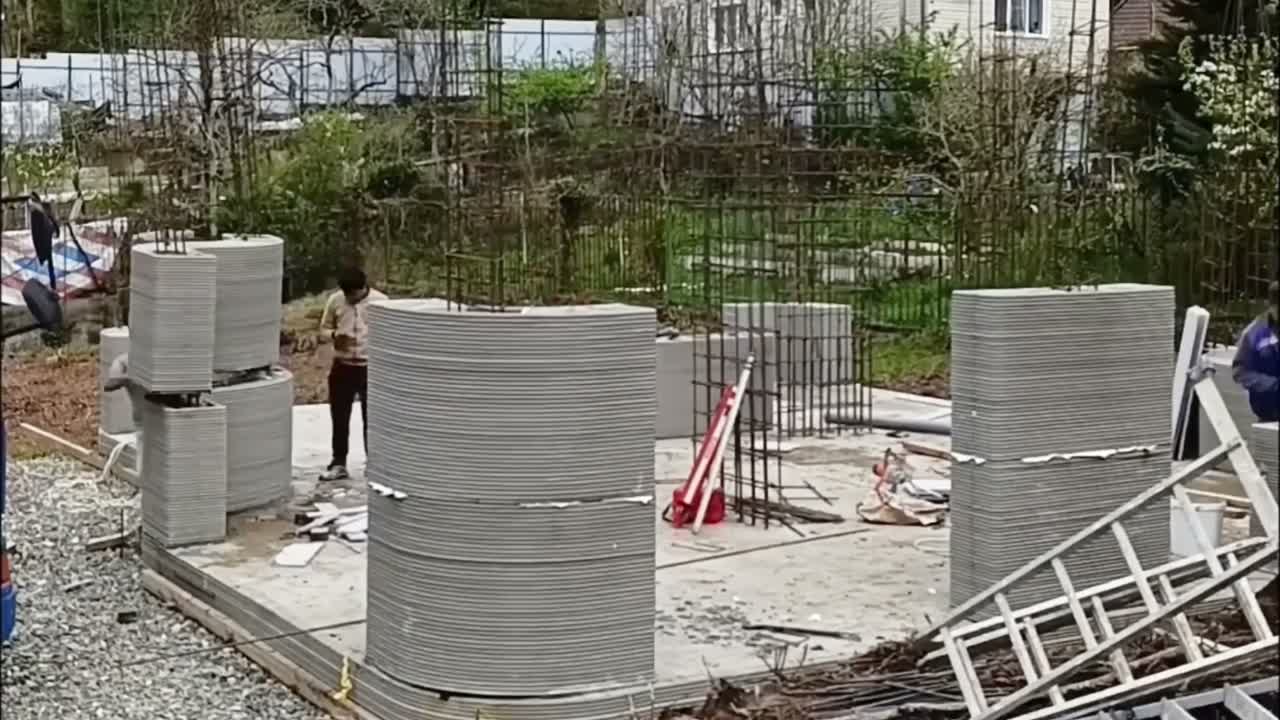
What 3D concrete printing of houses is
3D concrete printing of houses is the automated, layer-by-layer construction of building elements through extrusion of concrete mix. The technology makes construction faster and cheaper, improves precision and reduces environmental impact.
According to the peer-reviewed RILEM Technical Letters (2023), 3D concrete printing has seen rapid growth in industrial adoption and research activity over the past decade — a response to the productivity and sustainability challenges of construction.
Source: RILEM Technical Letters (2023), a peer-reviewed journal.
The full house 3D printing technology — an overview.
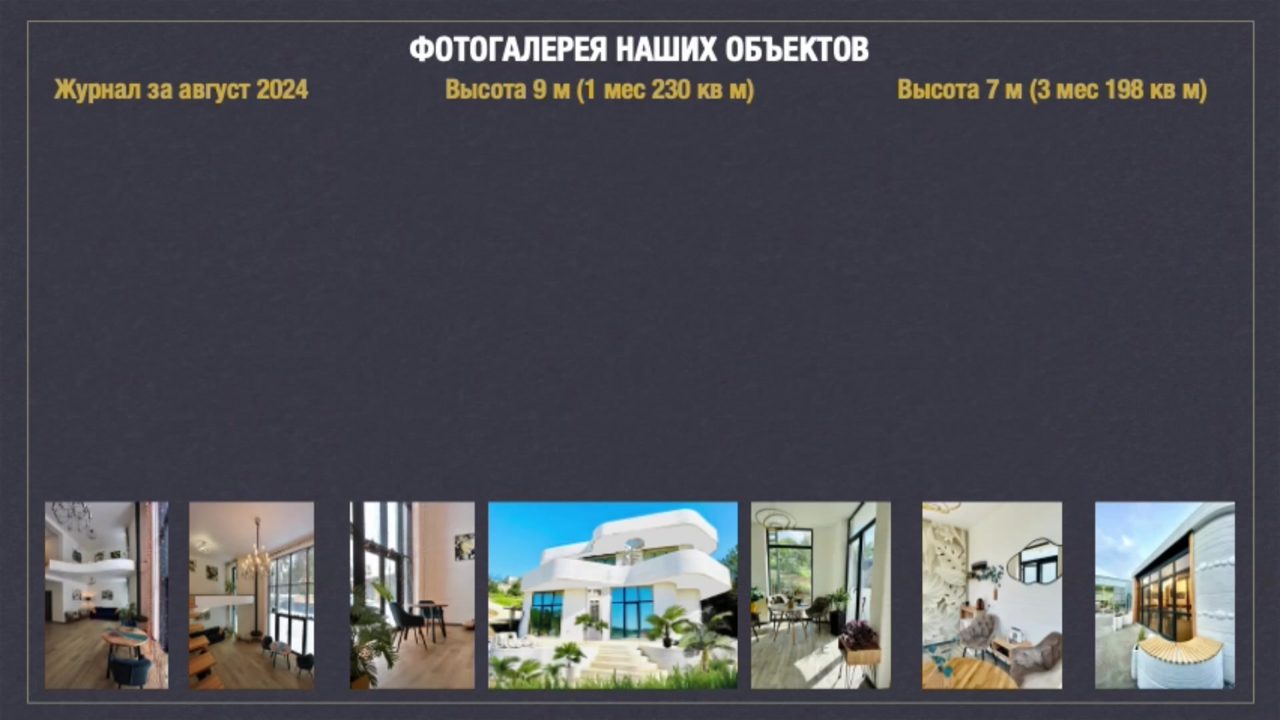
How it works — concrete extrusion
The printer deposits a purpose-made concrete mix layer by layer through an extruder, forming walls and load-bearing elements directly on site or in the shop.
Large-scale additive manufacturing uses computer-controlled placement of extruded mortar to build objects layer by layer — from individual elements to building walls (Cement and Concrete Research, Buswell et al., 2018).
3D-printed houses: the business case and the technology — a detailed overview.
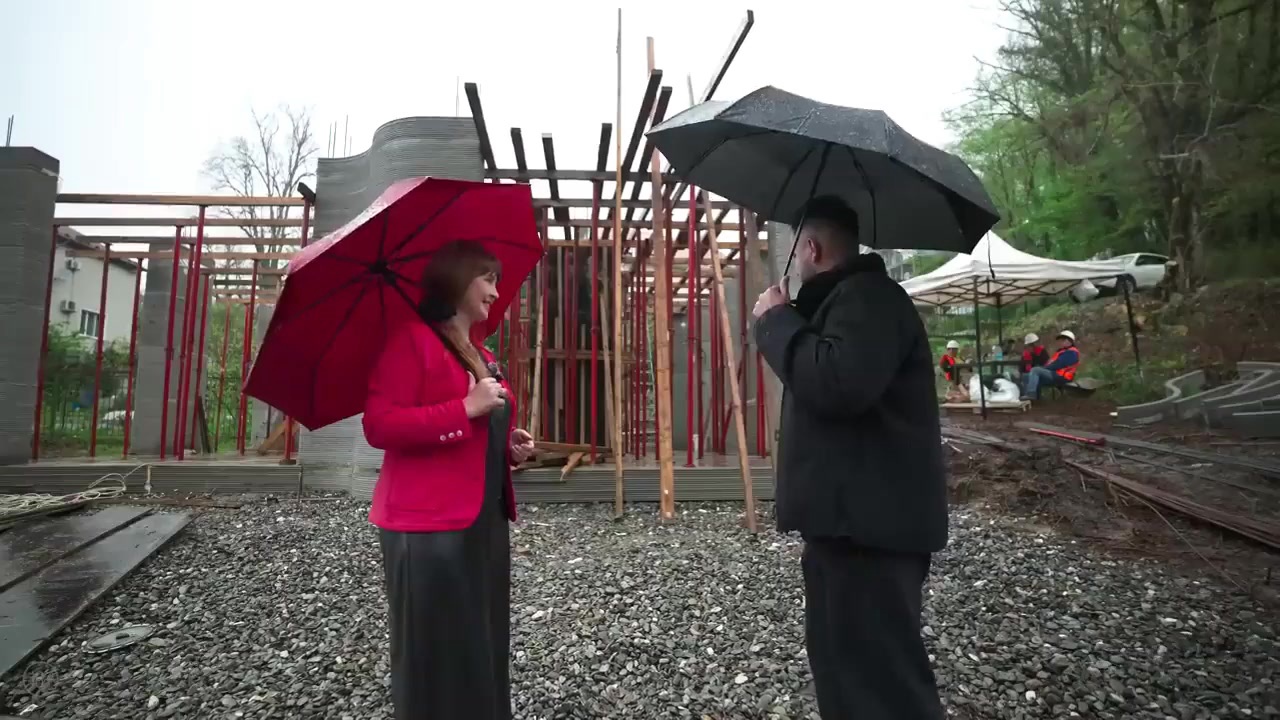
Materials and mix
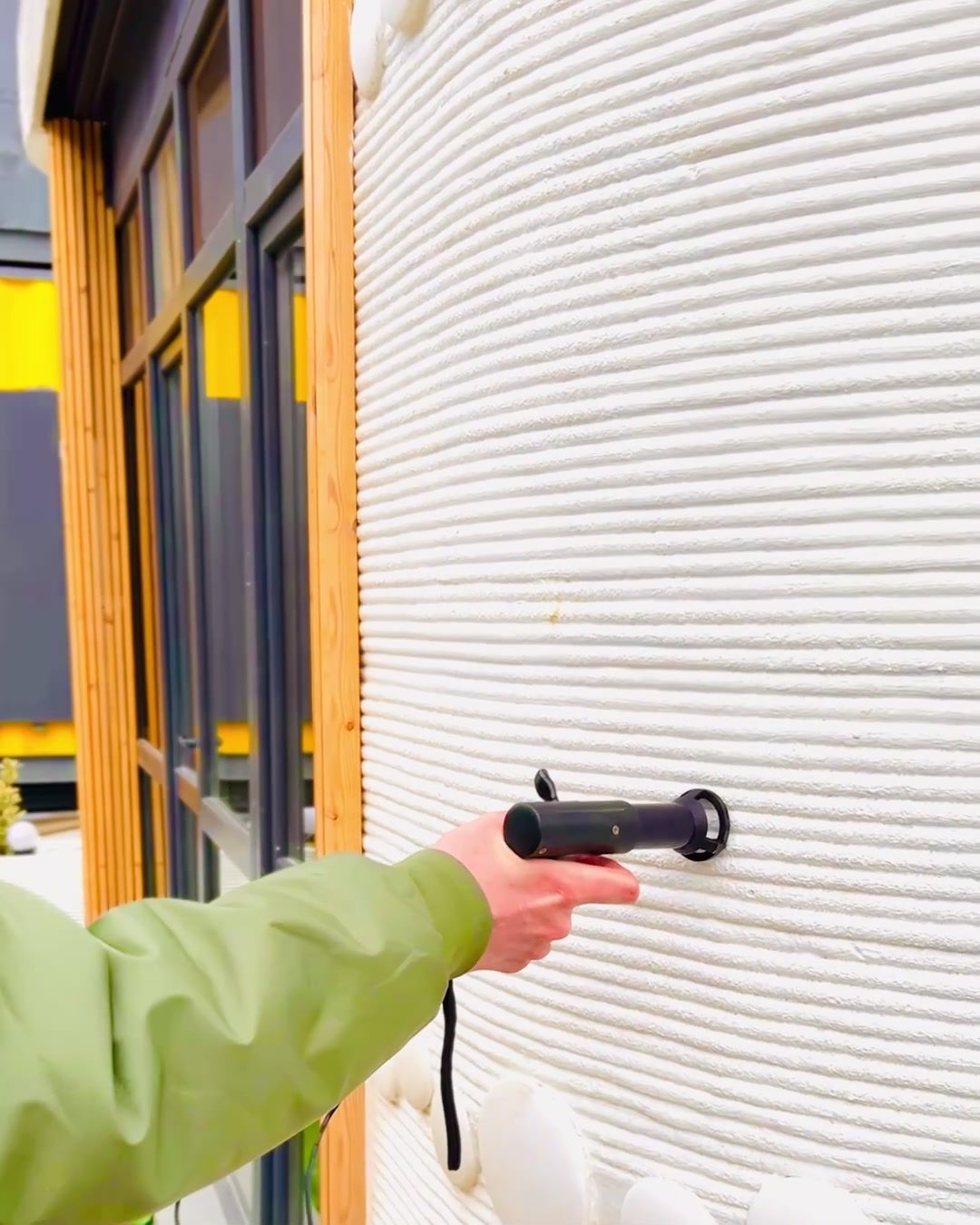
Load-bearing elements are printed with a non-shrink 3D mix — homogeneous and free of shrinkage cracks. For thermal performance, D400 grade polystyrene concrete is used (thermal conductivity 0.10 W/(m·°C) dry, per GOST R 51263-99 — a material property, not a measured wall value).
Thermal conductivity of 0.10 W/(m·°C) — a material property per GOST R 51263-99, not a measured wall value.
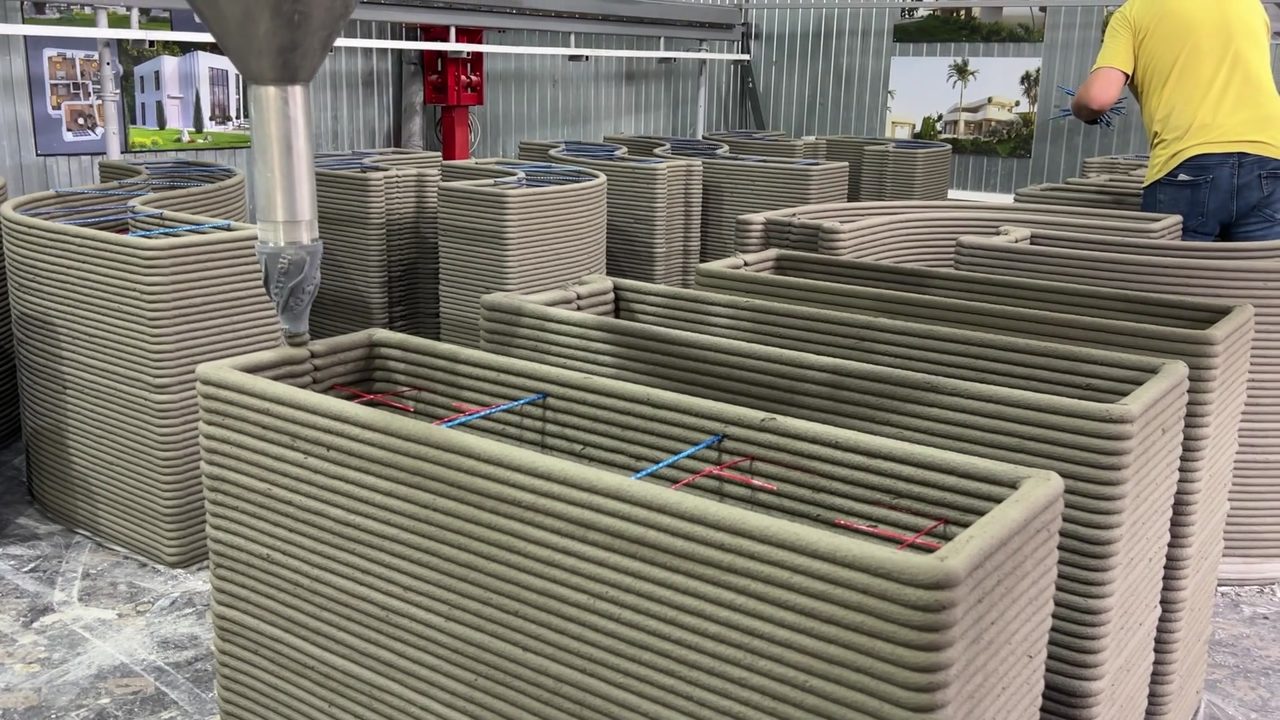
Six stages of printing a house
Digital model and G-code
The finished house design is converted into a print toolpath for the printer.
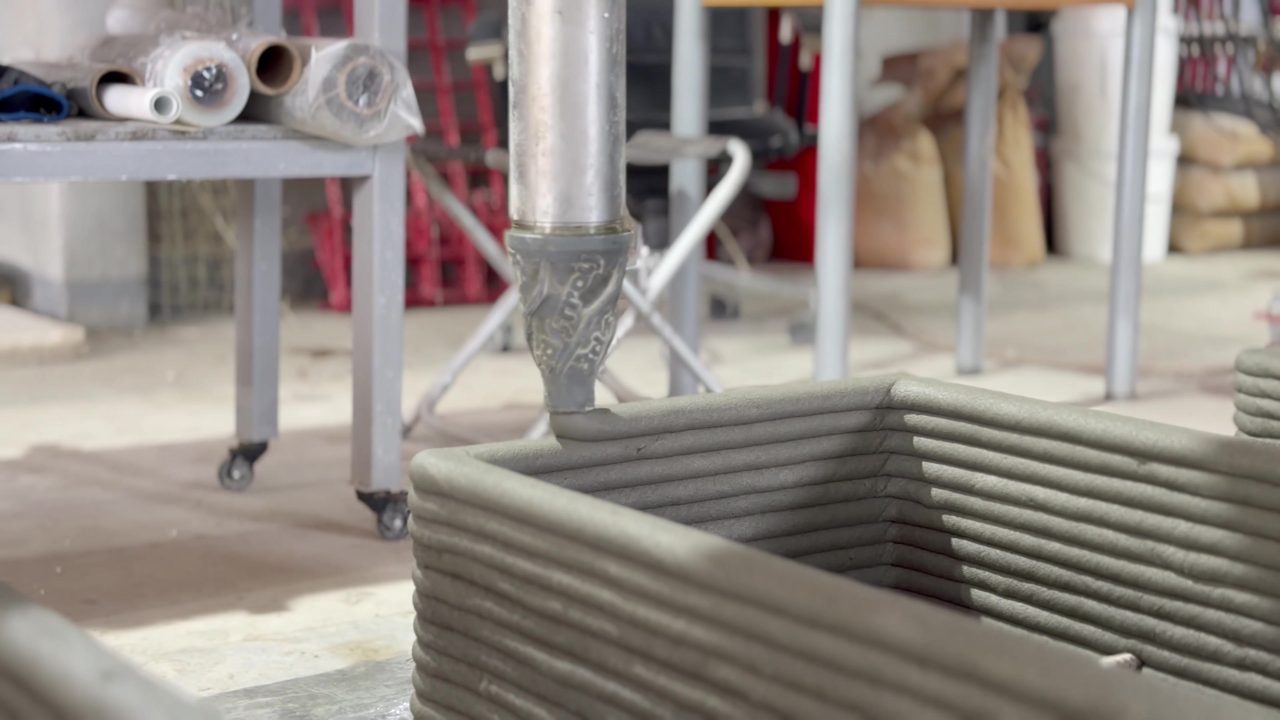
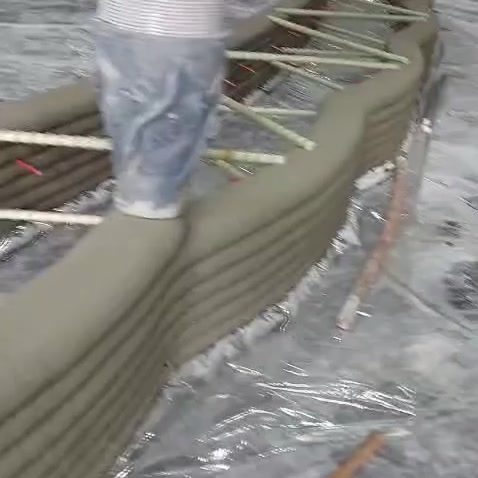
Printing and reinforcement
The printer produces reinforced prefabricated megablocks layer by layer — with no cracking.
Non-shrink mix
A homogeneous 3D mix free of shrinkage cracks — a proven formulation.
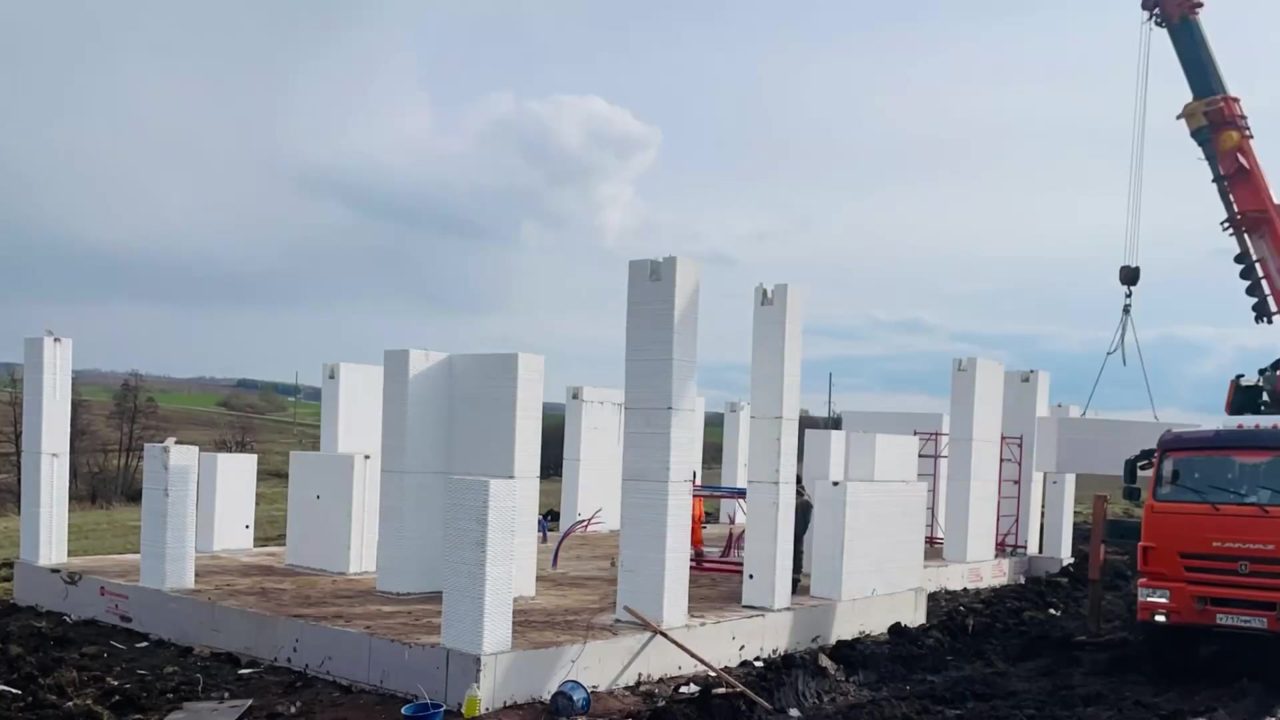
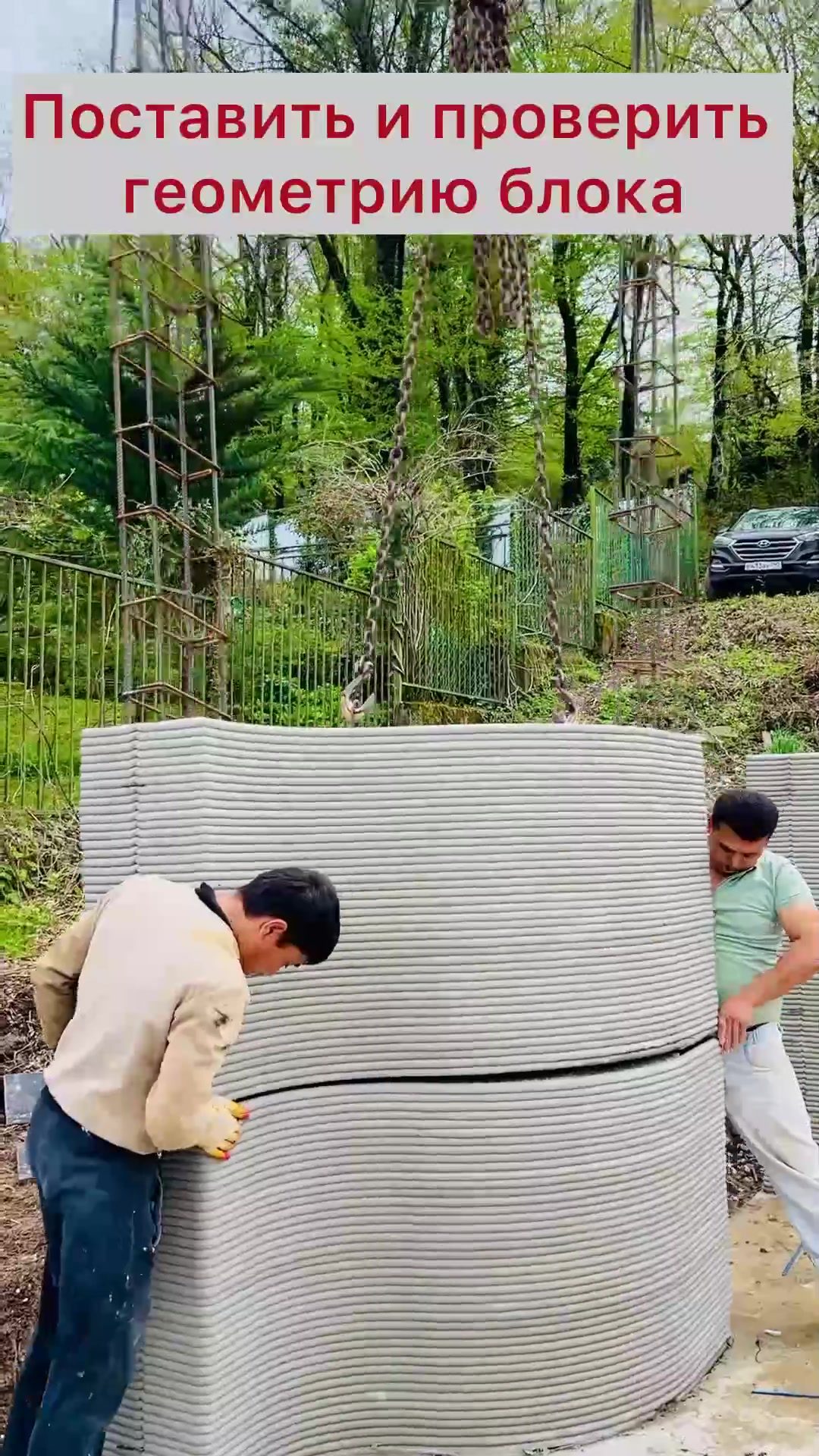
Large-block assembly
Assembly of a monolithic house from finished megablocks to a defined sequence.
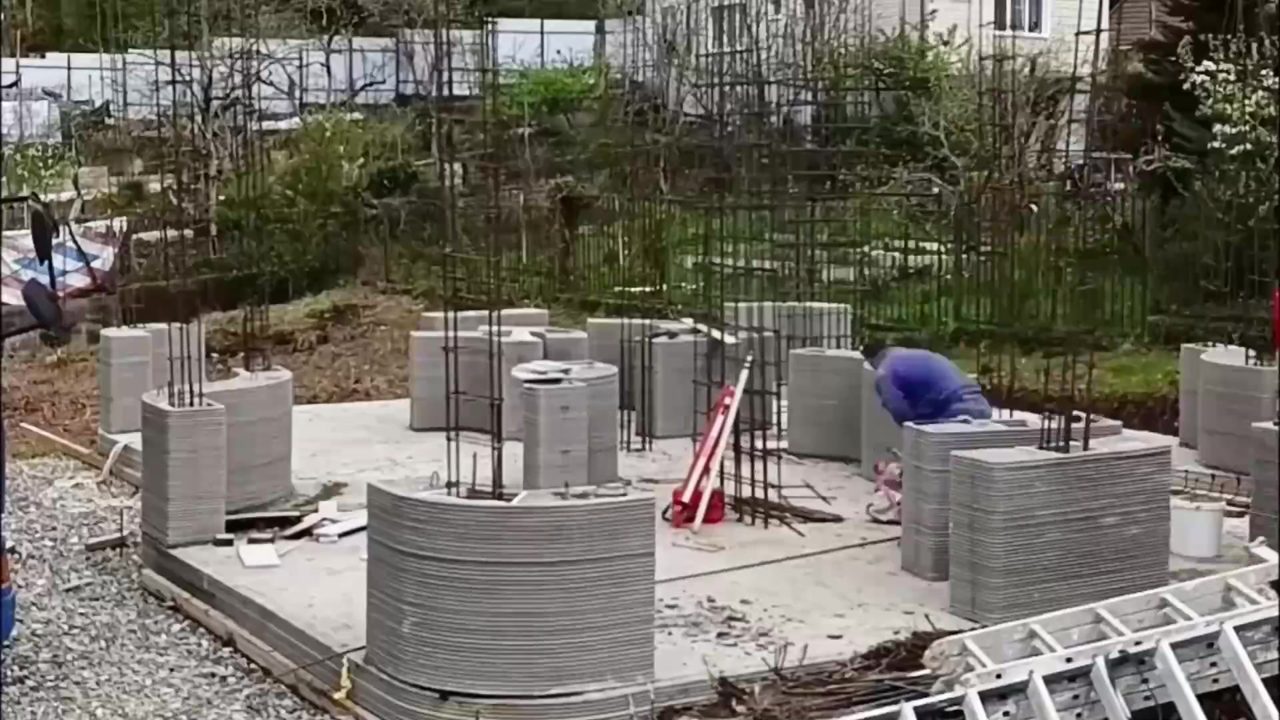
Floor slabs and roof
Pouring load-bearing columns and slabs, closing the thermal envelope.
A house in 30 days
A full monolithic, energy-efficient house, ready to live in.
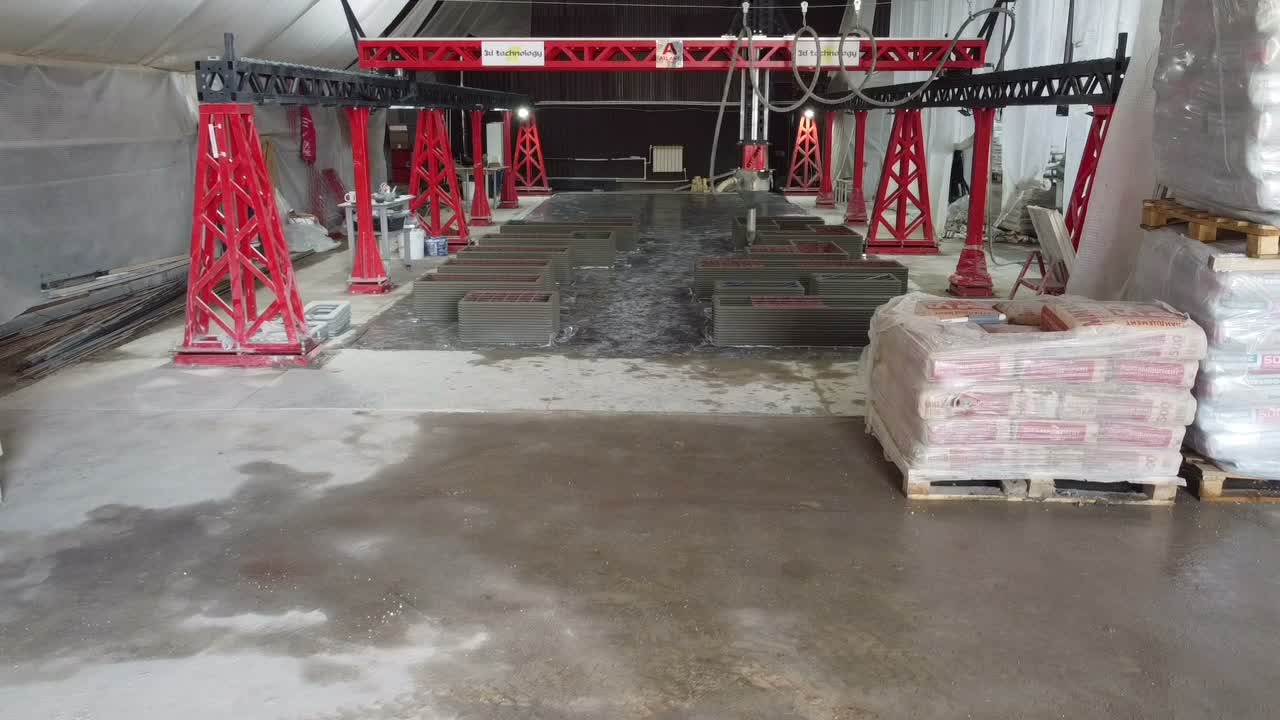
The process on video — an ATLANTIX printer at work.
Regulation of the industry
Rosstandart and the Ministry of Construction have moved to permanent GOST standards and a dedicated code of practice, while an experimental legal regime (ELR) removes legal barriers. Instead of a separate building code, 3D printing has been integrated into the general regulatory framework. The set of documents governing the industry in 2026:
Regulatory sandbox
An experimental legal regime (ELR) has been introduced for 3D printing in construction — under Federal Law No. 258-FZ such regimes are established by the Russian Government. In pilot projects, developers legally trial new mixes and gantry printers, bypassing part of the requirements of the Urban Planning Code.
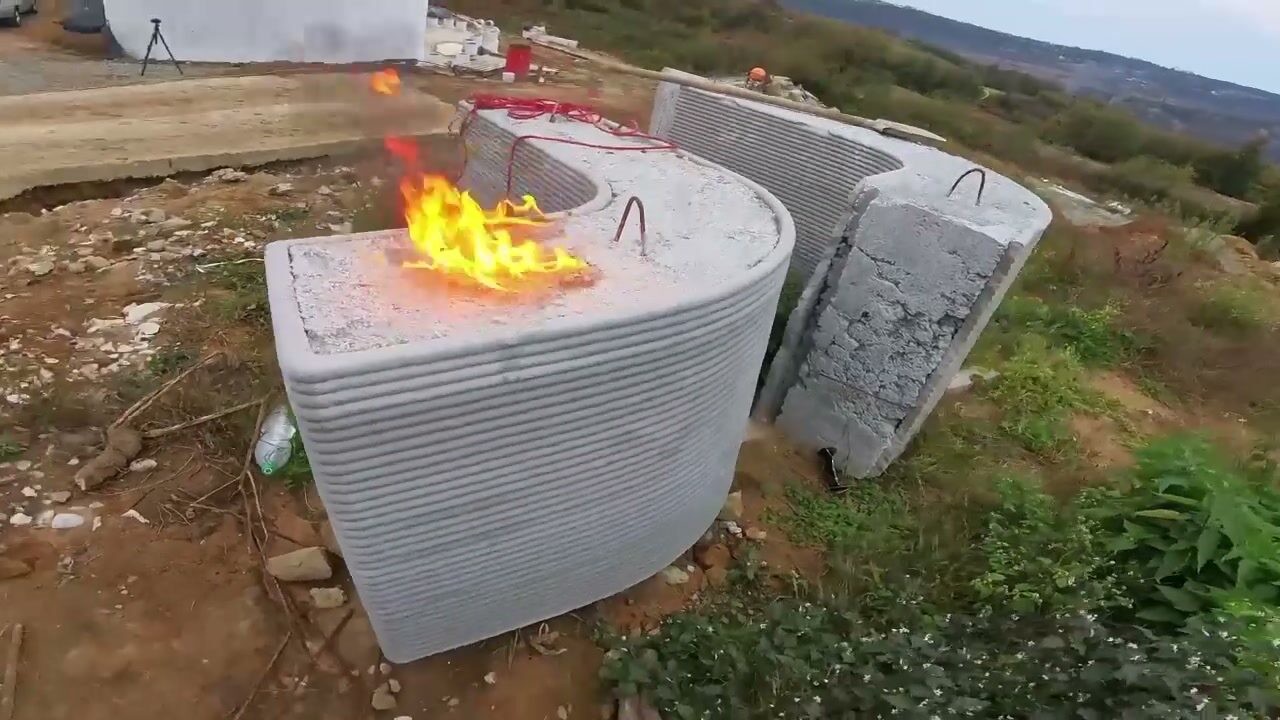
Strength is proven by a crash test of the block
Frequently asked questions about the technology
Does the printer pay for itself, and how?
At 5–7 houses per month and a margin of $10–30 K per house, payback is about 2 months. Calculation prepared for your region.
Is printing hard to learn from scratch?
A crew of 4 is enough. The package includes training, supervised installation and 5 ready designs with G-code: you print from your first project.
Who buys printed houses?
Houses 30–40% cheaper than conventional ones — the demand is there. We help with your first projects and standard designs.
What warranty and support are provided?
Contract, supervised installation on site and 1 year of technical support. Strength is proven by a crash test of the block.
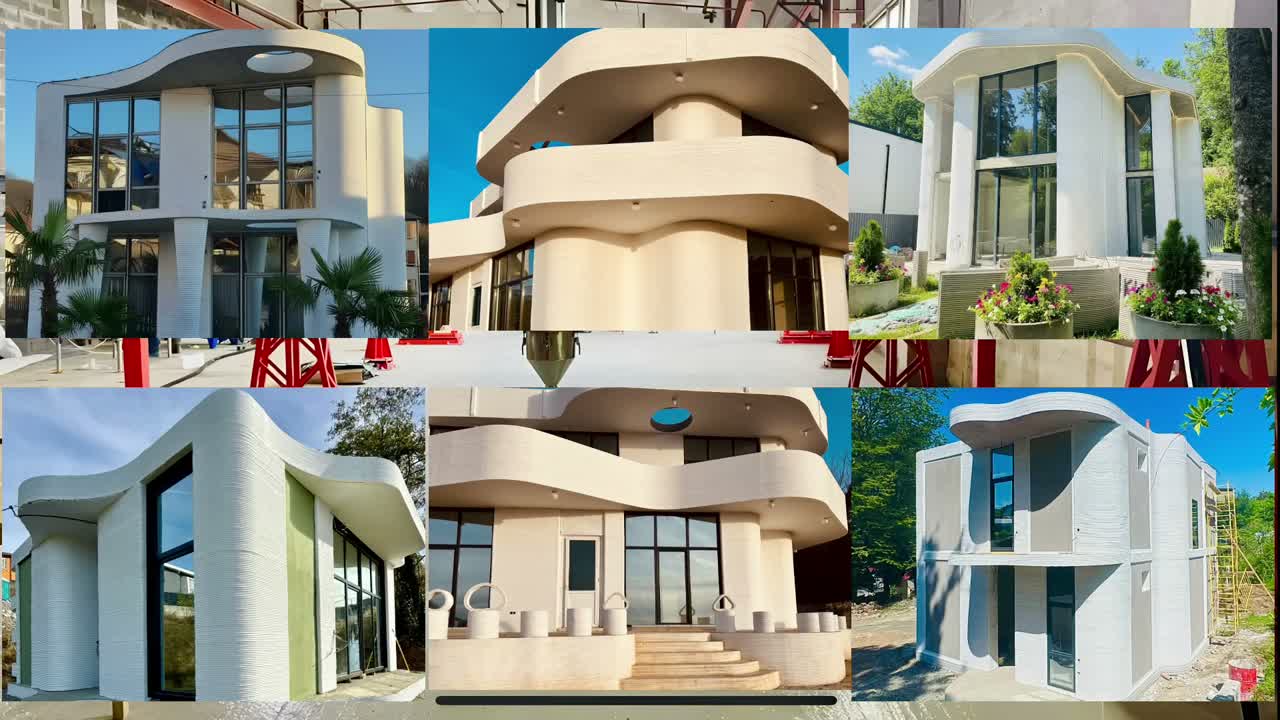
Find out what your house will cost to build
We will explain the technology, lead times and price for your project and plot.