Home · Precast upgrade
Upgrading precast concrete plants: switching production to 3D printing
A precast concrete plant is a ready base for construction 3D printing. The site, the batching unit, quality control, staff and sales channels are already there. Moving to additive technology is not a greenfield launch but new technology on top of a working asset.
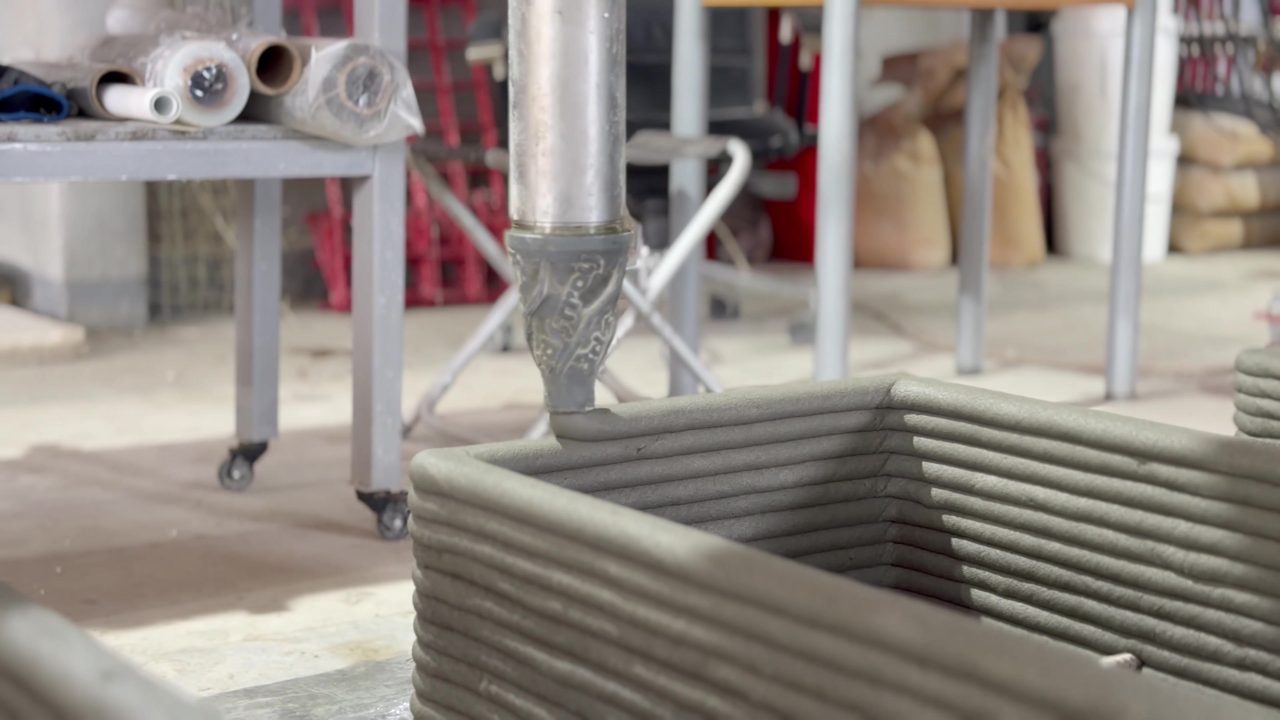
What changes in production
| Parameter | Conventional construction | With 3D printing |
|---|---|---|
| Tooling | Conventional constructionformwork for every element | With 3D printingprinting from a digital model, without tooling |
| Geometry | Conventional constructionstandard shapes; anything complex is expensive | With 3D printingcurved walls, recesses, variable cross-sections |
| Manual operations | Conventional constructionhigh per unit of output | With 3D printinglayer-by-layer printing is software-driven |
| Cycle | Conventional constructiondepends on skilled personnel | With 3D printingpredictable, less dependence on staffing |
| Product range | Conventional constructionstandard precast | With 3D printing+ house kits, urban furniture, tanks, custom items |
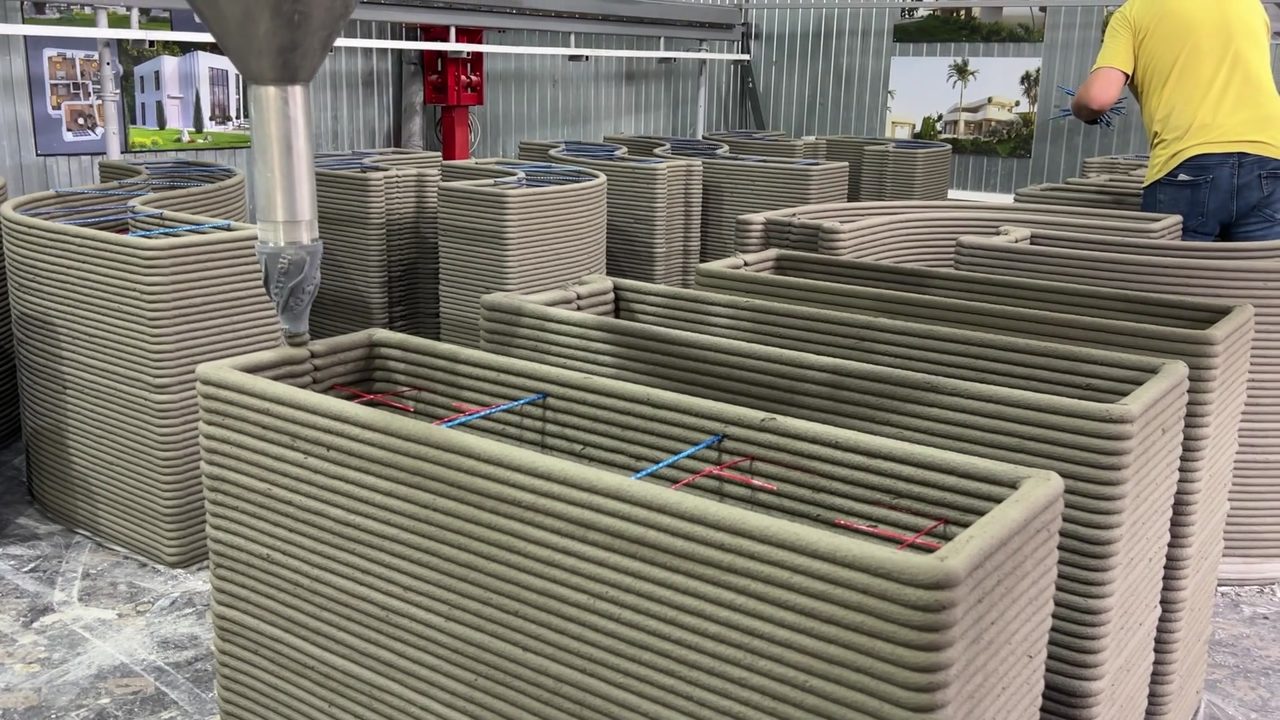
A technology comparison summarizing our experience of operating ATLANTIX equipment.
What we offer a plant
ATLANTIX supplies the equipment and technology to convert an operating precast concrete plant to construction 3D printing. We hand over not only the printer but also the mix formulation, staff training and commissioning support — so the plant reaches production output quickly.
Printer
An ATLANTIX printing platform matched to the plant's product range — it integrates into the existing line.
Mix formulation
A non-shrink mix matched to your local raw materials — we develop it and support you.
Staff training
On site, in person — until your own crew prints unaided.
Commissioning support
Commissioning, first print supervised by an engineer, support through start-up.
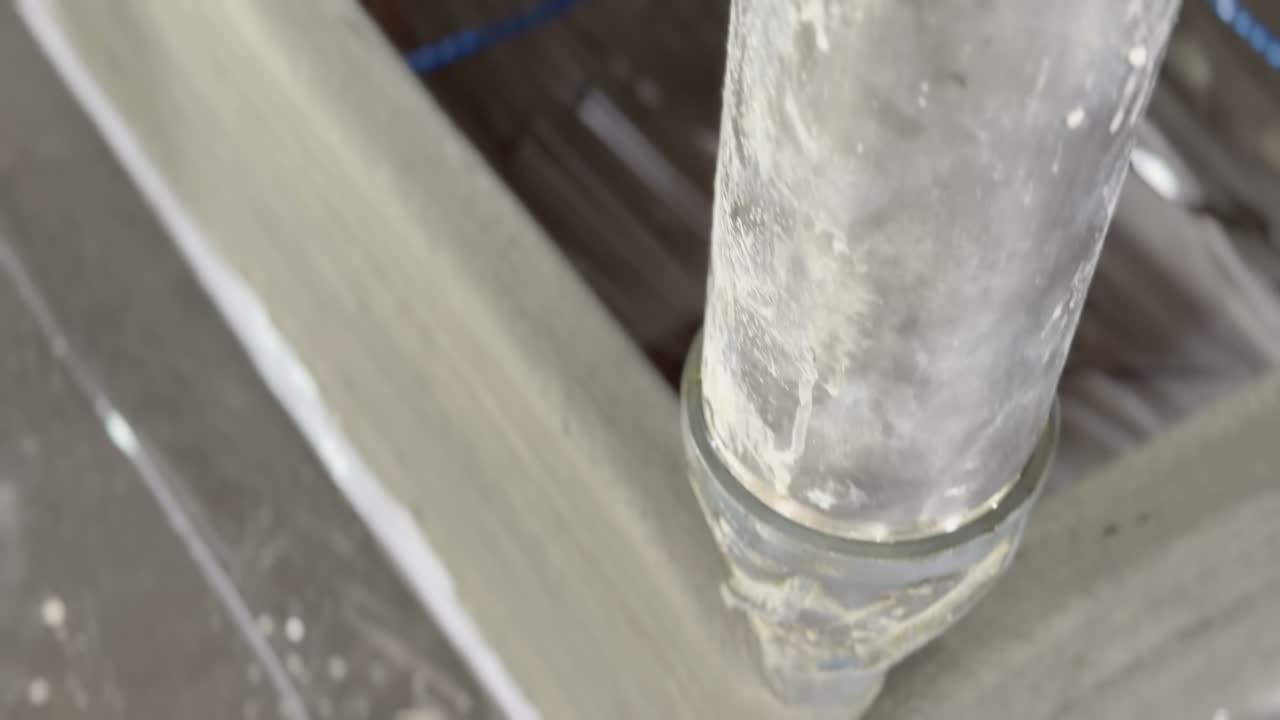
The same concrete, the same team — a different technology. See how the additive line prints an item from a digital model.
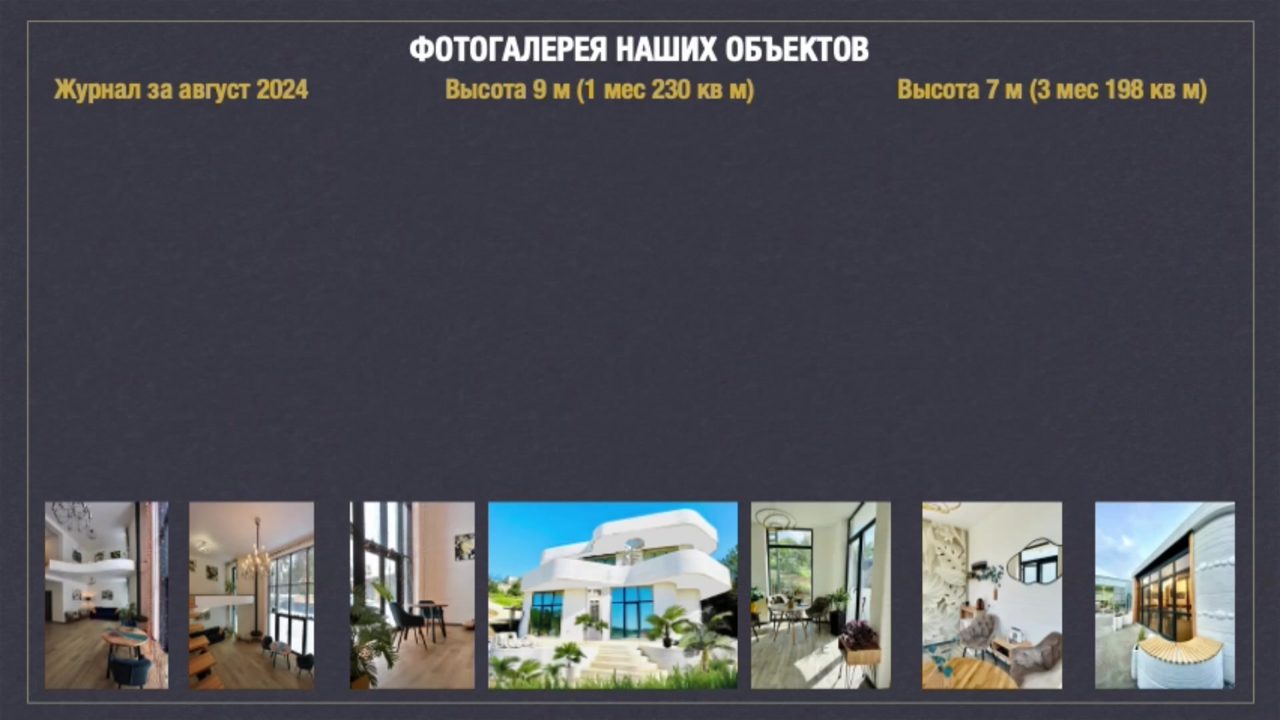
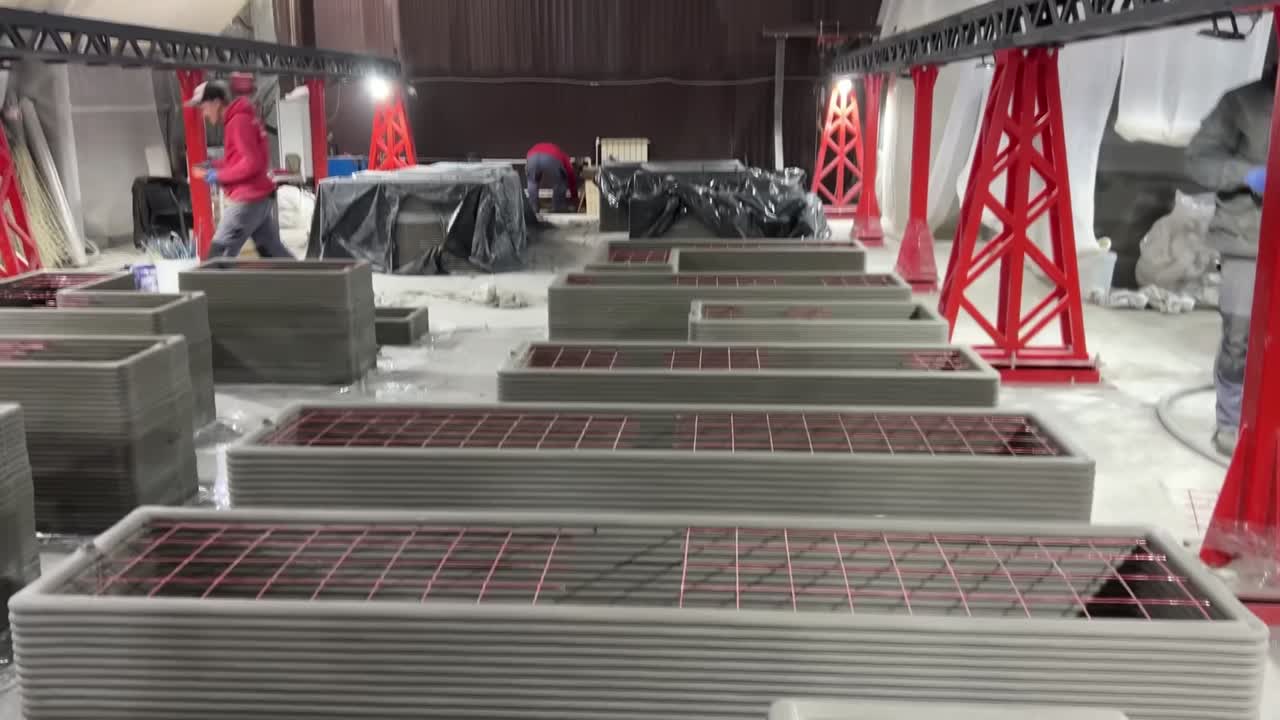
What the move to 3D printing delivers
New technology without building from scratch
The additive line integrates into existing production. The batching unit, storage, quality control and personnel stay as they are — printing equipment and technology are added.
Production without formwork
Curved walls, recesses and variable cross-sections are printed straight from the digital model. Manufacturing and storing formwork for each product is no longer required.
A broader product range
Beyond standard precast products — house kits, urban furniture, landscaping elements, tanks and non-standard structures. Output with higher value added.
Speed and automation
Layer-by-layer printing is software-driven: less manual labor per unit, a predictable cycle, lower dependence on scarce personnel.
Why now
120 M m²
Planned annual housing commissioning by 2030. Provision of at least 33 m² per person by 2030 and 38 m² by 2036. Such volumes are unattainable by conventional methods alone.
Presidential Decree No. 309 of 07.05.2024
$223 M
The Russian additive manufacturing market in 2025 — up 21% on 2024. By 2030 it may grow to around $580 M. Entering during the growth phase is more profitable.
Additive manufacturing market estimate, 2025
~59%
In Russian additive manufacturing the largest share of localization falls on materials. Construction 3D printing is subject to national standardization (PNST 495-2020).
Association for Additive Technology Development
What construction 3D printing is
Construction 3D printing (3D Concrete Printing, 3DCP) is the automated, layer-by-layer construction of structures through computer-controlled extrusion of cementitious mortar. The technology is used both to manufacture discrete elements and to build walls in place.
"Large-scale additive manufacturing for construction uses computer-controlled placement of extruded cementitious mortar to build objects layer by layer; applications include element manufacturing and on-site wall construction."— Cement and Concrete Research, Buswell et al., 2018
For a precast plant this means the same concrete and the same team start producing a range that previously required formwork, molds and manual operations — now formed automatically, without tooling.
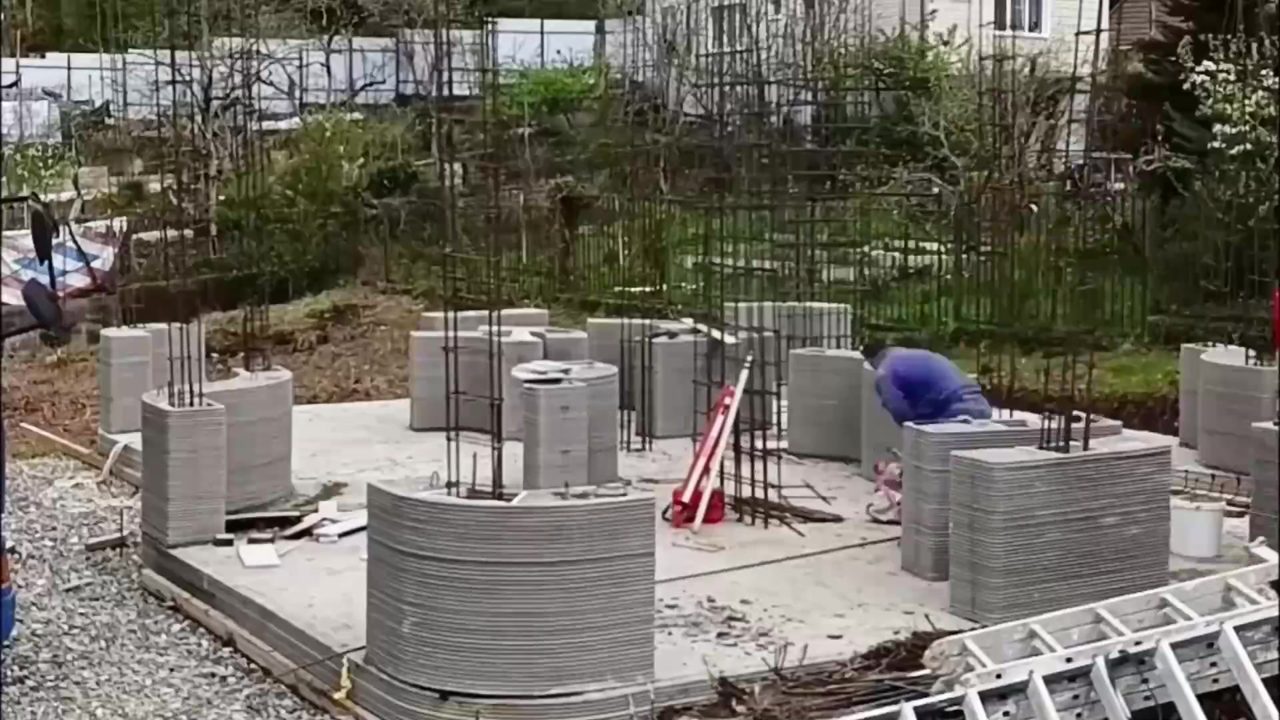
The investment logic for a plant
From our experience operating ATLANTIX equipment: printer payback of roughly 2 months; savings of up to 30–40% against the cost of conventional construction; a complete structural shell in 30 days; an in-house non-shrink mix formulation. These figures are a benchmark from practice, not a guaranteed result: actual economics depend on the product range, volumes and utilization of the specific plant. A precise calculation for your production is available on request.
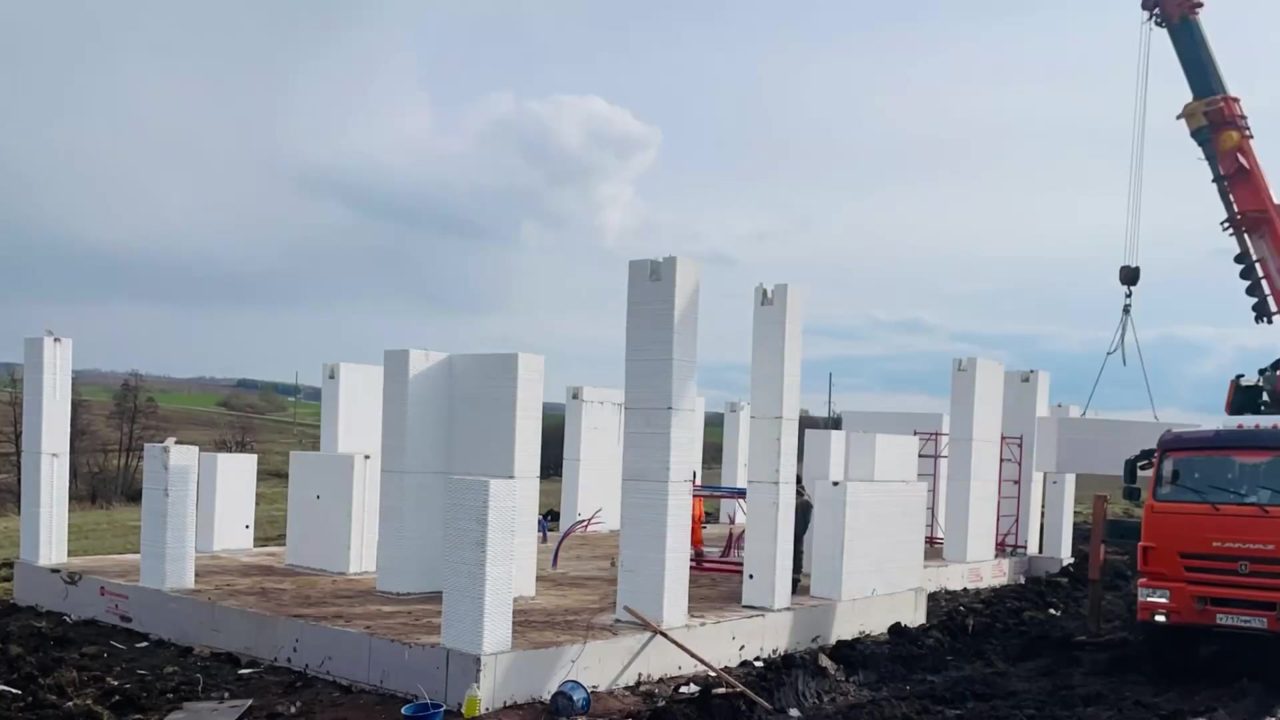
Standard blocks: modular block and standard corners
We print with standard elements instead of unique tooling for every item — the design geometry is a multiple of the 2 m base module m
Modular block
The standard printed megablock — the basic structural element: standardization delivers repeatability and quality control across all projects.
Standard corners
Standardized corner elements close wall junctions without designing every connection individually.
6.5 ft modularity m
All design geometry is a multiple of the 2 m base module m: predictable assembly and standard joints.
Ready to get a printer quote?
An individual calculation of the upgrade economics for your product range and volumes, plus a live demonstration of the technology.